The puppy months, written down · a sixteen-week method and five modules
A sixteen-week method and five modules

Nobody told youwhat any of it means.

Socialise him. Crate train him. Be consistent. None of it says how far, how long, or how often.

Yes — show me the method

Six modules. Read what is inside before you decide.

If any of this is your week

It is half past five and you are hiding in the kitchen.

  • He has been awake since four and he has not stopped since.
  • There is a patch on the rug you have cleaned three times today.
  • Your hands have small red marks on them and you have stopped mentioning it.
  • You have read eleven articles and they all said the same four things.
  • Somebody told you to socialise him and you still do not know what that means.
  • You have not said it out loud, but you have thought about whether this was a mistake.

That last one is the most common thought in the first three months and almost nobody admits to it. It is not a verdict on you or on him. It is week six, and week six is like this for most people.

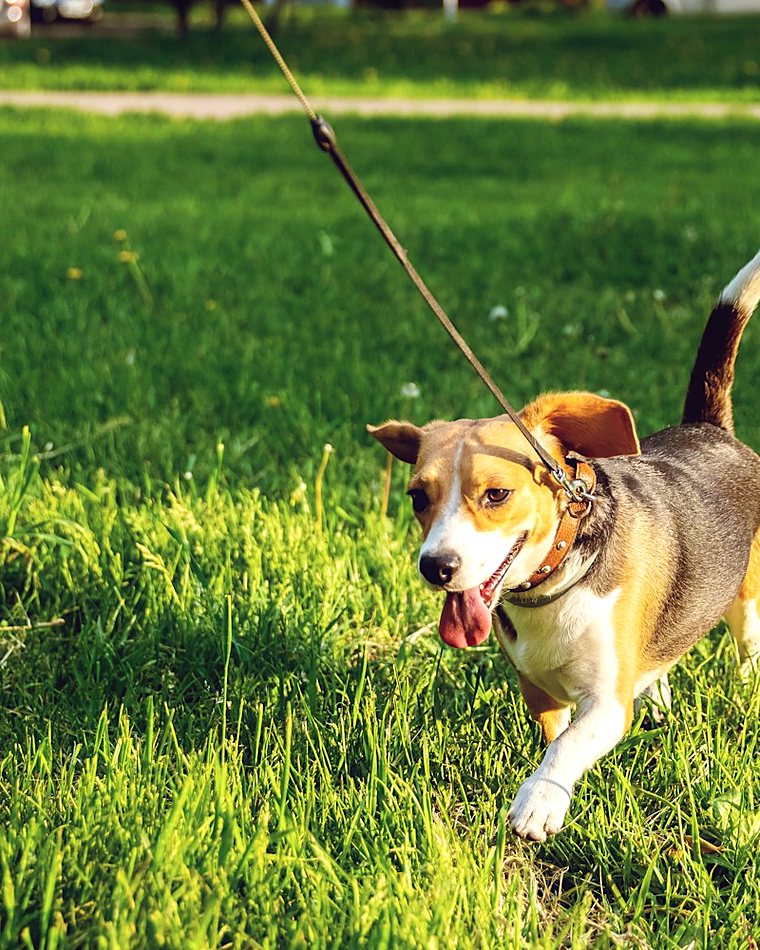
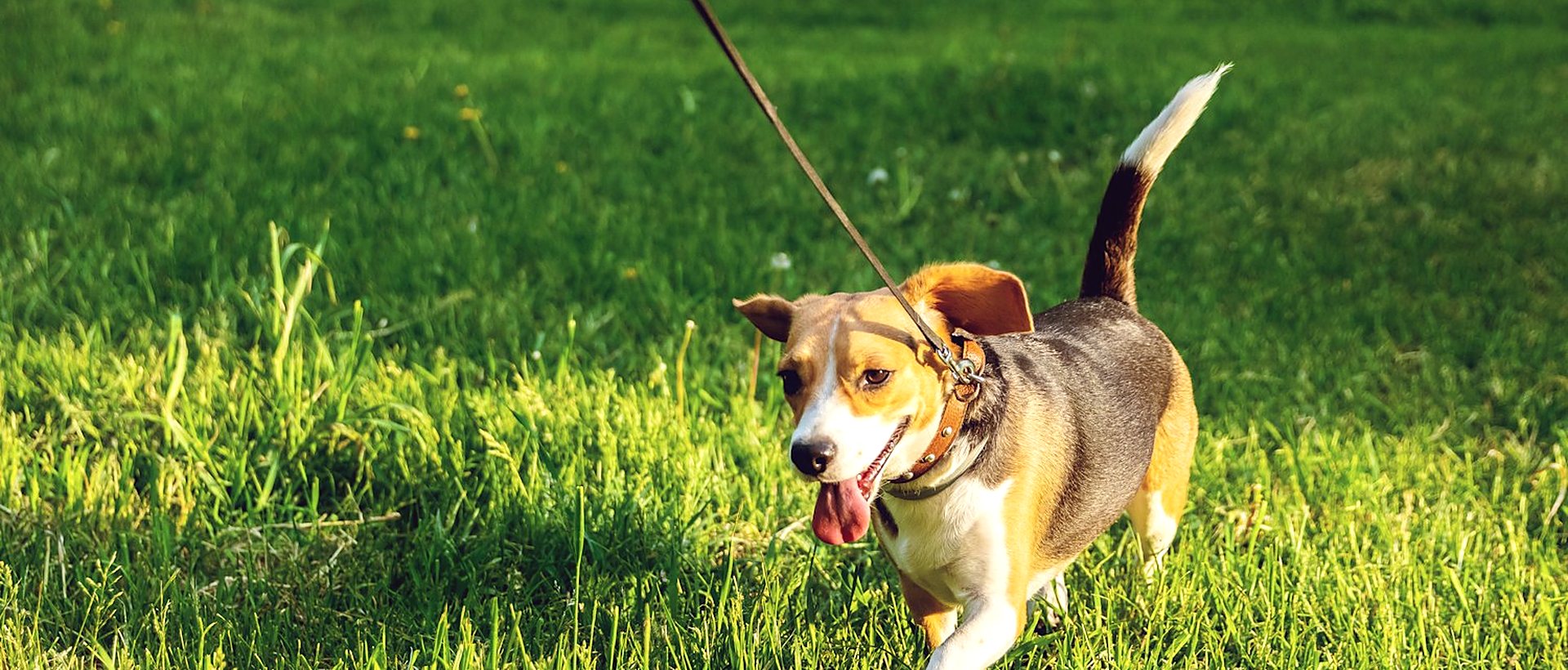
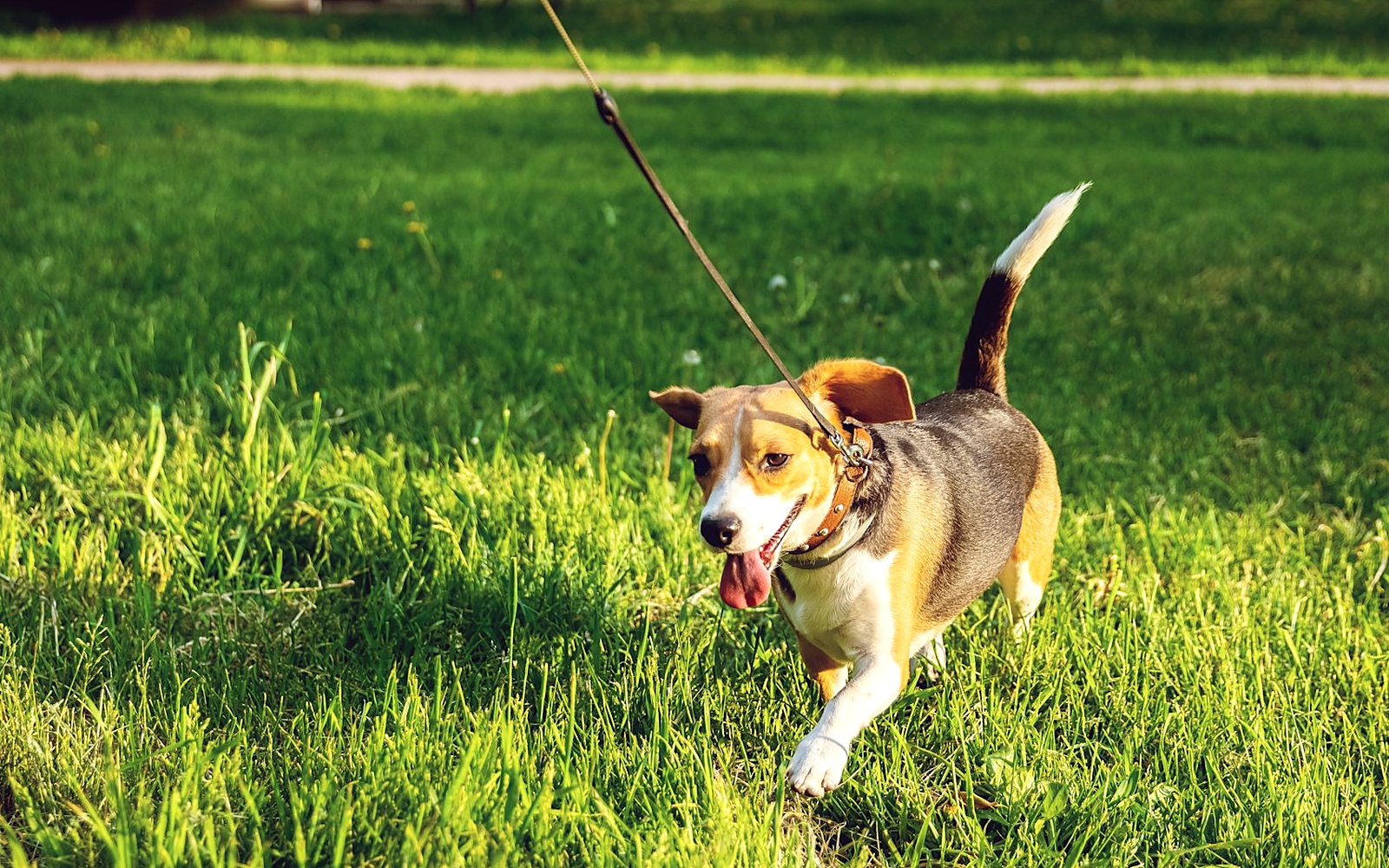
A puppy walking on grass on a lead

Why none of it worked

The advice was right. It just never gave you the number.

Socialise him. Crate train him. Be consistent. Every article says the same four things, and not one of them says how far away to stand, how many minutes, or how many times a day.

So you guess — and he comes home frightened of pushchairs. The numbers exist. They are just dull, and nobody sells a number.

The sixteen weeks, laid out

Find the week you are in.

Nothing here happens on a date. These are the weeks each thing usually lands in, and the module that covers it. Vaccination timing and when he may be on the ground in public are your vet's answers, not ours.

  1. Week 8

    Night one

    He has never slept alone in his life. Where the crate goes on the first night decides the next three weeks.

    The Night And The Floor →
  2. Weeks 8–10

    The floor

    Out every forty minutes, written down. House training is arithmetic, not a lesson he learns.

    The Night And The Floor →
  3. Weeks 8–12

    The window

    The most receptive weeks he will ever have. Distance and food, not contact and crowds.

    The Sixteen Weeks →
  4. From week 9

    Forty seconds

    Alone-time starts while nothing is wrong. Forty seconds a day now is worth months later.

    Alone In The Kitchen →
  5. Weeks 10–16

    The biting

    Needle teeth and marks on your hands. Developmental, not aggression, and it peaks before it ends.

    The Biting Weeks →
  6. Weeks 11–14

    Collar, then lead

    Four new things introduced one at a time, in ninety-second pieces, with the street last.

    The First Lead →
  7. Weeks 13–16

    The first street

    Twenty metres at the quietest hour of the day, and home while he is still relaxed.

    The First Lead →
  8. All sixteen

    The record

    Two minutes an evening. The holes in his socialisation become visible while there is still time to fill them.

    The Puppy Logbook →

Sixteen weeks from now: a puppy who sleeps, goes outside, and has met the world at a distance he could handle.

Yes — show me the sixteen weeks

Checkout opens shortly. Nothing is charged today.

What the method does differently

The advice is not wrong. It is just missing the number.

Socialise him. Crate train him. Be consistent. All true, and none of it tells you how far away, how long, or how often. Six differences, none of which costs anything, and all of which are the part that was left out.

The method
Almost everyone else
Exposure at a distance where he still takes food
Taken into the middle of it, handled by strangers, 'getting used to it'
Out for the toilet every forty minutes, on a written schedule
Out when somebody remembers, which is after the accident
The crate beside your bed for the first nights
The crate in the kitchen on night one, and a week of crying
The hand goes still and boring when he bites
The hand snatched away fast, which is the best toy in the house
Alone practised for forty seconds a day from week two
Alone attempted for four hours in month five, when it is already a problem
The collar, the lead and the street as three separate weeks
All four new things at once, on the first walk

None of this is advanced. It is the detail that gets left out of every list of tips, because the tips are written to be short and the detail is where the whole thing lives.
Before and after

Of the list, not of the puppy.

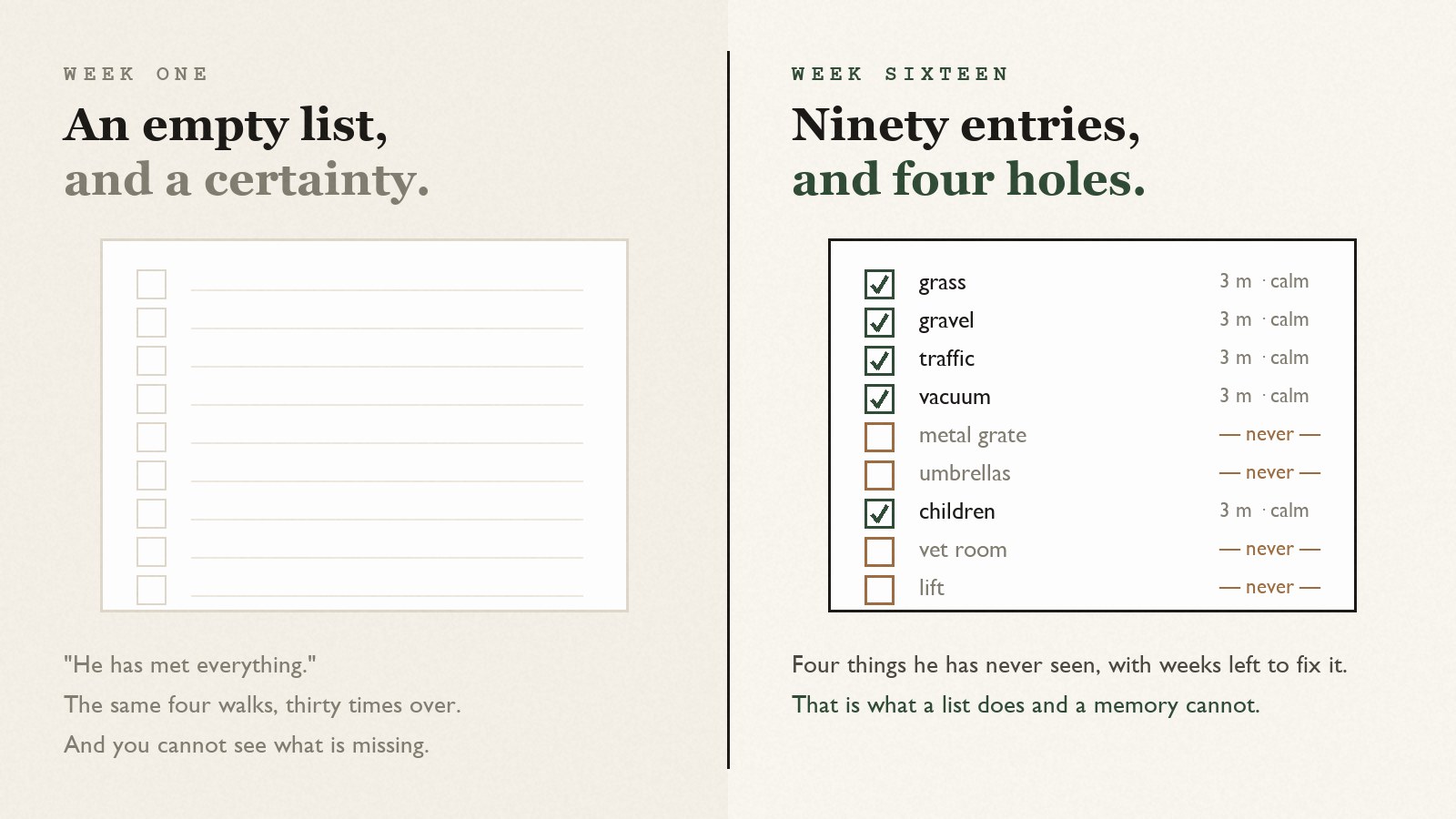
We are not going to show you somebody else’s puppy and call it proof. We will show you the thing sixteen weeks actually changes, which is what your own socialisation list has on it.

An empty socialisation list beside one filled in over sixteen weeks
Week one: an empty list, and a certainty that he has met everything Week sixteen: ninety entries, and four holes you can still do something about

What the method is made of

Three things the advice never gives you.

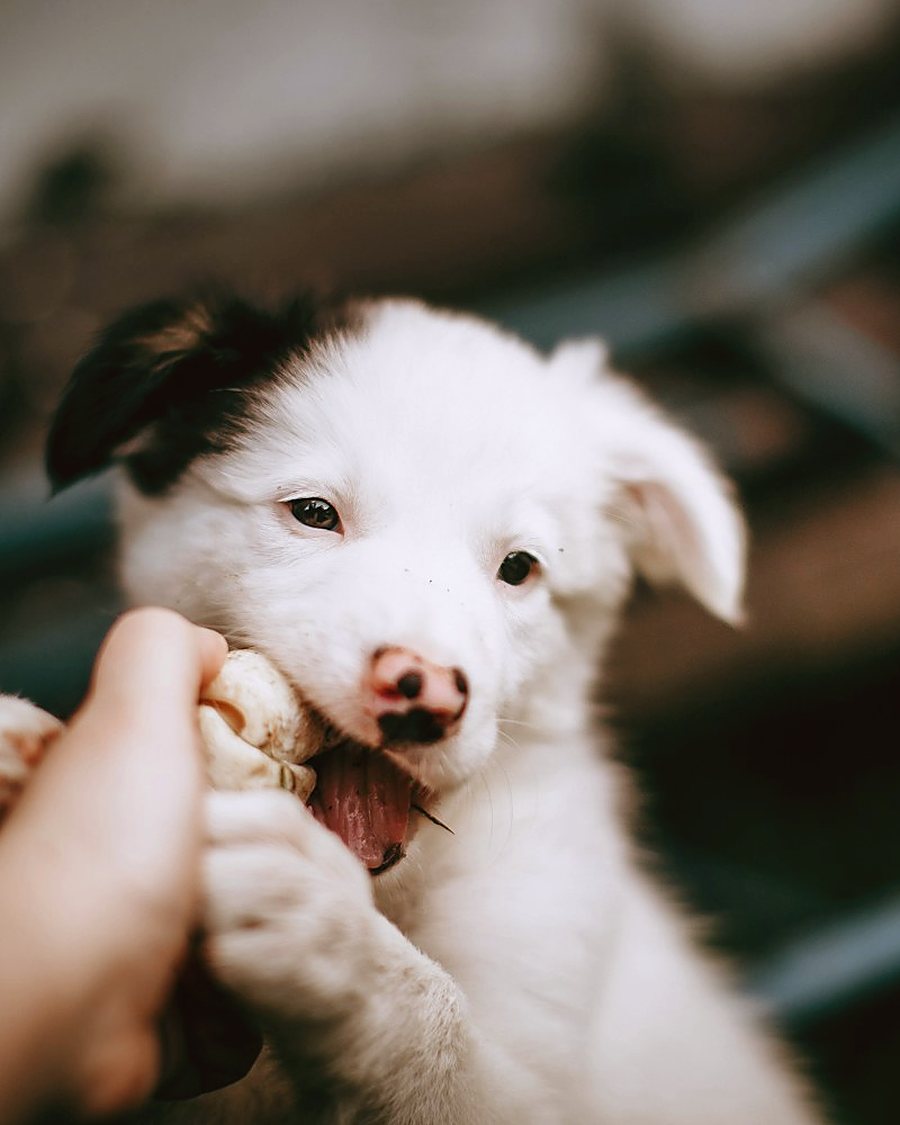
A puppy mouthing a finger
The distanceFar enough that he still takes food. If he will not eat, you are too close.
A puppy lying at a person's feet
The intervalOut every forty minutes, written down. House training is a schedule, not a lesson.
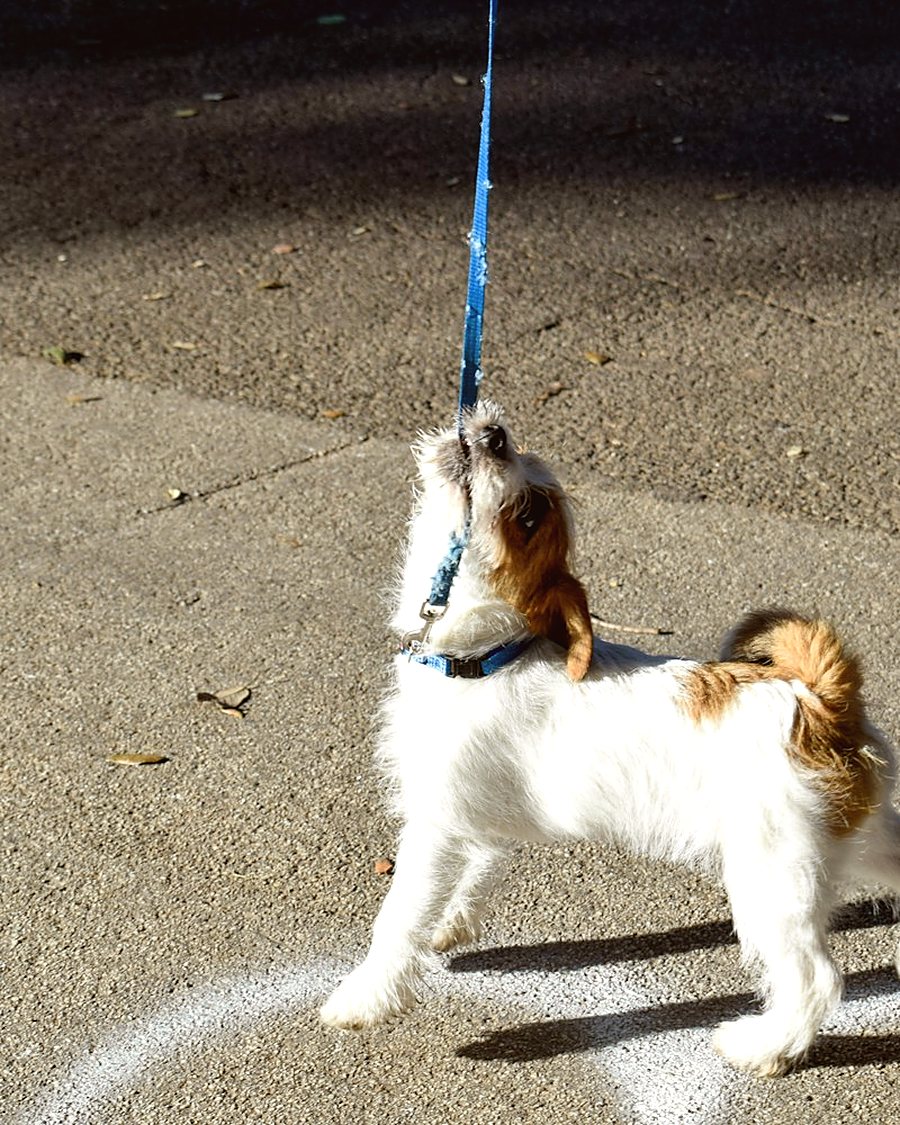
A puppy on a lead, seen from above
The durationThree seconds alone, twenty times a day, from week two. Not four hours in month five.
A puppy standing in grass

Nothing here is a trick

The whole of it is a distance, an interval and a duration.

Yes — show me the method

Start here

Three places to start, depending on what today was like.

The shelf

The method, and five modules

The method covers the whole arc. Each module goes deep on one of the five things that wake people up.

What these are not

They are not veterinary advice. Vaccination timing, when your puppy may be on the ground in public, and anything concerning his body are questions for your vet — and the method says so rather than guessing. Puppies are individuals and nothing here guarantees a result.

The socialisation window narrows; it does not slam shut on a date. A puppy who missed some of it is not ruined, and anyone telling you otherwise is selling you fear.

This is educational material about raising and training a puppy. It is not veterinary advice, not a behavioural diagnosis, and not a treatment for any condition. Vaccination timing, when it is safe to walk in public, and anything concerning your puppy's body are questions for your vet. Real aggression, intense fear and any sudden change in behaviour belong with a veterinarian or a qualified veterinary behaviourist in person. Puppies are individuals and no method guarantees a result.